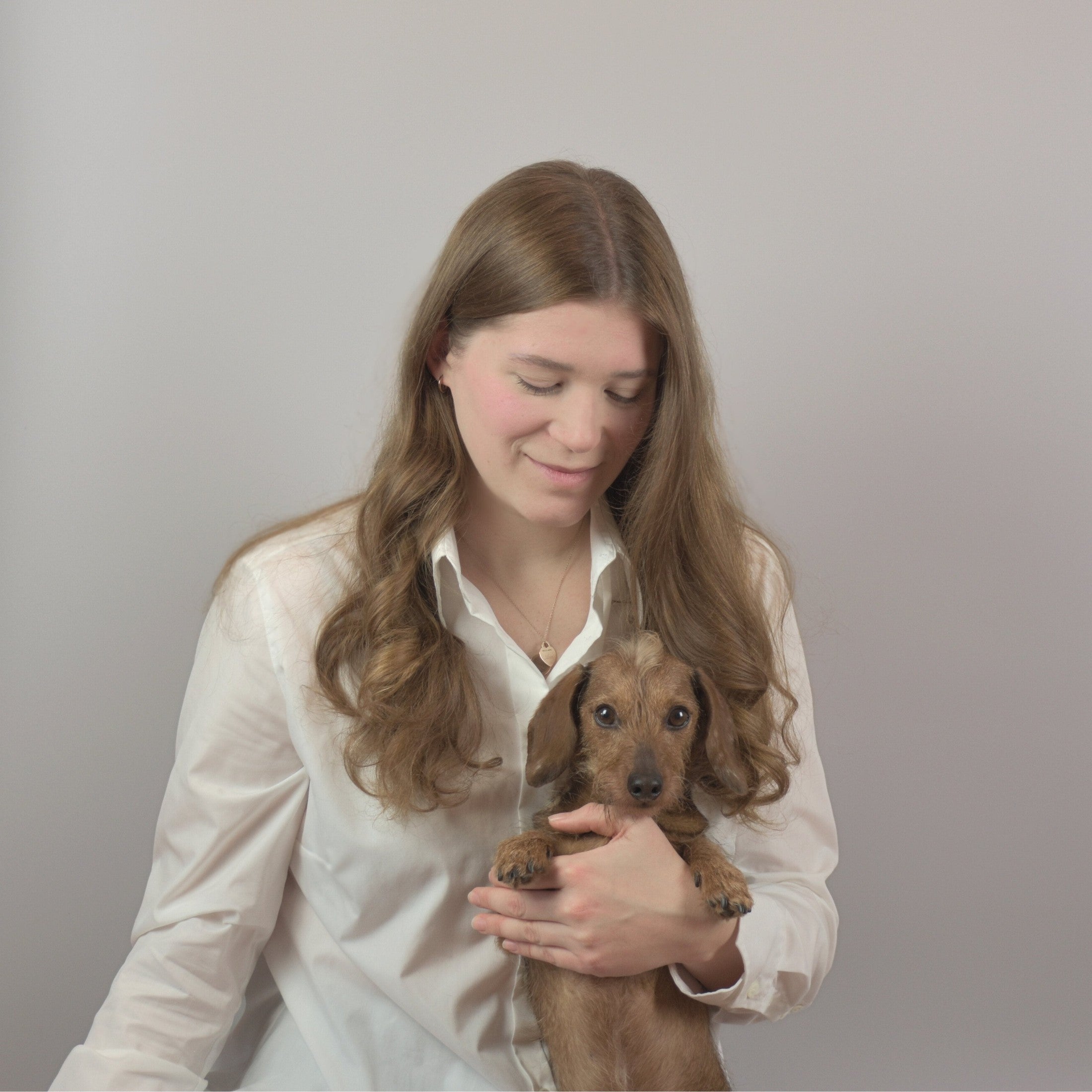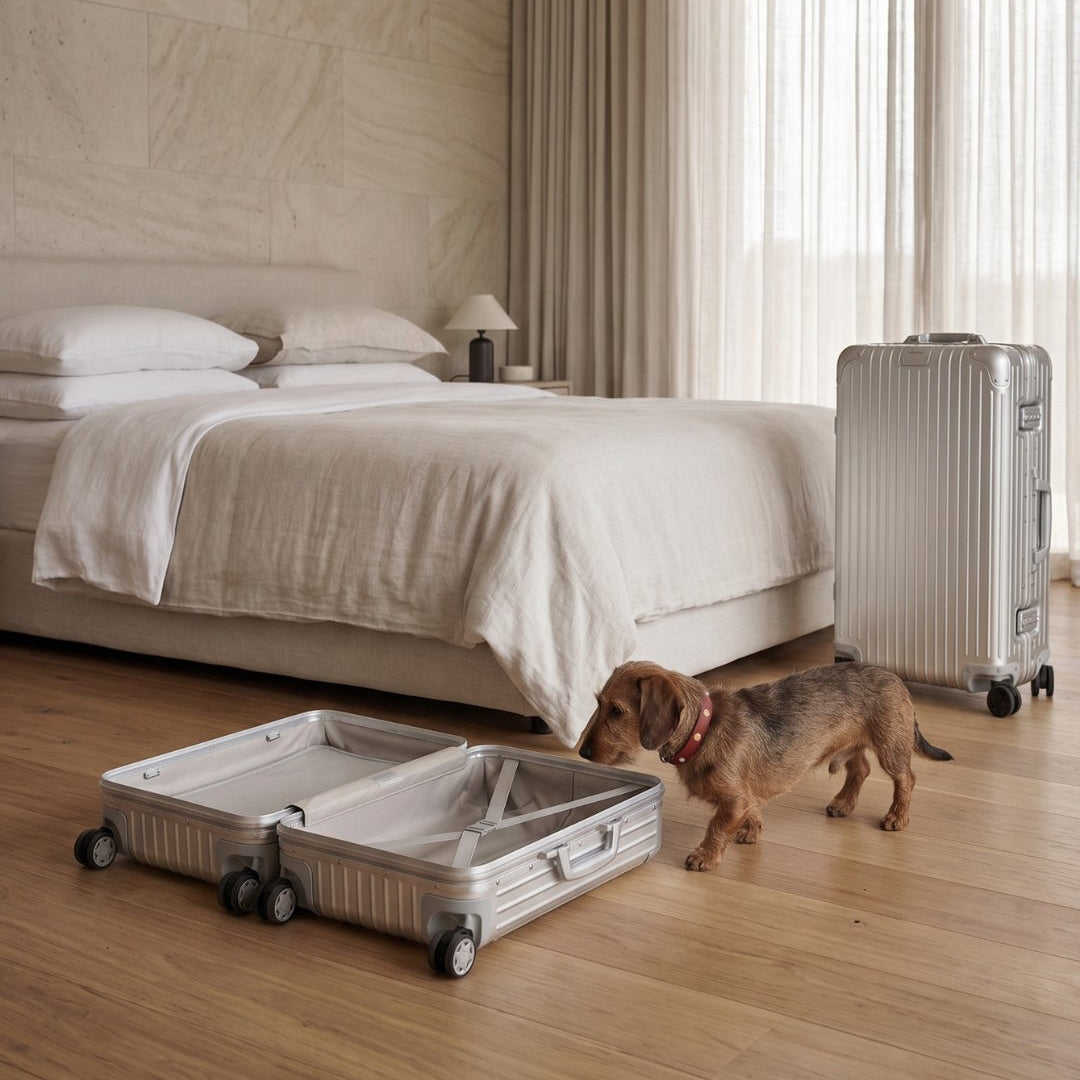


Traveling alone changes the way we travel. We make more spontaneous decisions, travel slower, and experience places more intensely. Traveling with a dog adds a whole new dynamic to this form of travel. Suddenly, it's no longer just about seeing as much as possible, but about arriving relaxed together. That's precisely why more and more people are discovering "solo travel with a dog" for themselves – not as a compromise, but as a conscious way of traveling.
Because those who travel alone with a dog plan differently. They pay more attention to peace, safety, dog-friendly accommodations, flexible daily routines, and destinations that truly suit both human and dog. At the same time, a special bond with one's dog often develops. Many report after their first solo trip with a dog how uncomplicated and liberating travel can suddenly feel – if the right framework is created.
This guide shows you how to travel solo with your dog in a relaxed way, which mistakes to avoid, which types of travel are truly suitable, and what matters when planning your trip.
Table of Contents
- Why solo travel with a dog is becoming increasingly popular
- Proper preparation for a solo trip with a dog
- Which type of travel (car/train/plane) is best for solo travel with a dog?
- The best destinations for solo travel with a dog
- Accommodation: What you really need to pay attention to
- Conclusion: Why solo travel with a dog is often more intense
- Frequently asked questions
Key take-aways
- Solo travel with a dog works best with good preparation and realistic daily stages.
- Quiet destinations, off-season travel, and flexible accommodations reduce stress for both human and dog.
- Safety plays a central role in solo travel – from emergency contacts to accommodation choices.
- Dogs provide structure, security, and social closeness on solo trips.
- Holiday apartments, boutique hotels, and quiet natural regions are usually better suited than classic city trips during peak season.
Why solo travel with a dog is becoming increasingly popular
Just a few years ago, solo travel with a dog was rather an exception. Today, more and more people are specifically seeking quiet solo trips with their dog – be it for a long weekend, a road trip, or several weeks of remote work abroad.
The reason for this lies not only in the societal trend towards solo travel. Dogs change the quality of travel. They slow things down. You walk slower through cities, spend more time outdoors, discover quieter places, and automatically develop a different daily structure.
Especially people with stressful daily lives often experience traveling with a dog as emotionally much more relaxed than classic group tours or hectic city trips.
Many also underestimate how pleasant a dog can be as a travel companion. While traveling alone can sometimes lead to feelings of insecurity or loneliness more quickly, a dog automatically creates a certain stability in the daily routine:
- fixed walks
- regular breaks
- routines
- fresh air exercise
- social contacts on the go
Dogs often act like natural social icebreakers when traveling. Especially in cafes, hotels, or while hiking, conversations with other travelers or locals are much easier to strike up.
Another point is that more and more accommodations, restaurants, and travel providers are becoming dog-friendly. According to current travel portals, the demand for dog-friendly hotels and holiday apartments has been continuously increasing for years.
At the same time, the demands of many dog owners are also changing. Instead of hectic holiday programs, many are now specifically looking for:
- Slow Travel
- Nature
- Off-Season Travel
- Quieter Hotels
- More Relaxed Daily Routines
- More quality instead of as many activities as possible
Exactly for this, traveling alone with a dog is surprisingly well suited.
The right preparation for a solo trip with a dog
The quality of your trip is usually decided long before the actual departure. Especially when traveling alone with a dog, good preparation quickly makes the difference between a relaxed holiday and constant stress.
The most important thing is: Don't plan too ambitiously.
Many people make the mistake on their first solo trip with a dog of planning a classic round trip with too many stops. However, constant moving around means an enormous amount of stimulus processing for dogs. Particularly sensitive dogs benefit significantly more from fewer changes of location and longer stays.
What really suits your dog?
Not every dog enjoys traveling the same way. A relaxed city dog can easily spend a few days in Copenhagen or Vienna. A sensitive rescue dog, on the other hand, might feel much more comfortable in a quiet holiday apartment by the sea.
Therefore, ask yourself honestly:
- How stress-resistant is my dog?
- How long can they travel by car or train?
- How do they react to new environments?
- Do they need a lot of rest?
- Can they be left alone for a short time?
- How well do recall and leash manners work?
- How do they react to crowds?
The more honest this assessment, the more relaxed your trip will be.
The ideal travel duration for the first solo trip with a dog
For the first solo trip with a dog, usually suitable are:
| Travel Duration | Recommendation |
|---|---|
| 2–4 days | ideal for testing |
| 1 week | perfect for a first longer trip |
| 2–3 weeks | only with an established routine |
| several months | more for experienced travelers |
Micro-adventures, in particular, work wonderfully. Even a long weekend in a quiet region can convey the feeling of a true break.
The perfect packing list for solo travel with a dog
Many packing lists online are unnecessarily overloaded. What's truly relevant are primarily things that give your dog security and routine on the road.
- EU pet passport
- well-fitting harness
- spare leash
- travel first-aid kit
- familiar blanket or dog bed
- food for several days
- collapsible water bowl
- towels
- poop bags
- GPS tracker for hikes
- tick protection
- emergency contacts
Especially important: familiar smells. Dogs relax significantly faster in new accommodations if they have their accustomed blanket or mat with them. Experts also recommend fixed retreats and routines when traveling.
Which type of travel is best for solo travel with a dog? Car, train or plane?
Not every type of travel is automatically relaxed for solo trips with a dog. Some may seem appealing on social media, but in reality, they are much more strenuous than expected.
Road trip with a dog
A road trip is one of the most relaxed options for solo travel with a dog. Why? Because you retain maximum flexibility.
You can:
- make spontaneous stops
- react to the weather
- choose quiet places
- flexibly change accommodations
- maintain familiar routines
Regions with short driving distances are particularly pleasant:
- South Tyrol
- Loire Valley
- Brittany
- Black Forest
- Denmark
- Northern Italy
- Austria
However, realistic daily planning is important. More than 4–5 hours of pure driving time per day quickly becomes strenuous for many dogs.
Train travel alone with a dog
Train travel works excellently – if the dog is used to traveling by train.
Advantages:
- no driving stress
- no parking issues
- more relaxed for people without a car
- more sustainable
Disadvantages:
- limited flexibility
- rush hours can be stressful
- some dogs react sensitively to crowds
Particularly pleasant:
- off-season
- direct connections
- smaller boutique hotels near train stations
Flying alone with a dog
Flying alone with a dog requires significantly more preparation than car or train travel. Especially when traveling without a second person, many small organizational details suddenly become more important – especially at the airport itself.
Because unlike traveling with two people, no one can briefly hold the dog while you organize luggage, refill water, or go through security. That's precisely why many people consciously choose to fly with their dog only if the destination is really far away or a longer stay is planned.
Nevertheless, flights with a dog can be very relaxed – if you plan realistically and think through the process beforehand.
Small dogs are allowed to travel in the cabin with many airlines in a carrier, provided weight and dimensions are met. Especially when traveling alone, this is usually the most comfortable flight option because the dog stays with you the entire time.
Advantages of flying with a small dog
- Dog stays close to you
- less stress than cargo hold
- direct contact possible
- easier for longer trips
- more flexible for international travel
- often more relaxed for sensitive dogs
Disadvantages of flying with a small dog
- little freedom of movement
- security checks can be stressful
- carrier must be carried constantly
- long airport walks are tiring
- waiting times & crowds
- limited storage space for luggage
Especially when alone, minimalist travel becomes extremely important. Many underestimate how complicated multiple bags plus a dog carrier can become at the airport.
Ideal is:
- a large backpack or rolling suitcase
- an easily portable dog carrier
- as little hand luggage as possible
- direct flights
How the security check with a dog usually works
The typical procedure:
- Take the dog out of the carrier
- Hold the dog on a short leash (often this also has to go through the scanner) or in your arms
- Place carrier & luggage on the belt
- Go through security with the dog
- Then organize everything again
Larger dogs usually travel in the air-conditioned cargo hold. Especially when traveling alone, this decision should be made very consciously.
Because in addition to the emotional burden of separation, there is a significantly higher organizational effort:
- large transport crate
- check-in processes
- longer distances
- heavy luggage
- limited flexibility
Advantages of flying with a large dog
- international long-distance travel possible
- sensible for longer stays
- alternative to extremely long car journeys
- more relaxed than many train changes
Disadvantages of flying with a large dog
- separation during the flight
- high organizational effort alone
- large transport crate is unwieldy
- additional stress at the airport
- limited spontaneity
- not every dog copes well with flights
Especially when traveling alone, planning becomes extremely important here. Many experienced dog owners therefore consciously avoid short flights with large dogs and prefer road trips or train journeys within Europe instead.
The best destinations for solo travel with a dog
Not every destination that looks beautiful on Instagram is automatically suitable for relaxed solo travel with a dog. Solo travel works best in places that are logistically straightforward, quiet, and flexible. Many people underestimate how strongly the environment, infrastructure, and level of stimulation influence whether a trip truly feels relaxing.
While classic city trips during peak season can quickly become exhausting, the most relaxed travel moments often arise where everyday life and the feeling of travel can merge: small coastal towns, quiet mountain regions, lake landscapes, or cities outside of holiday periods.
A good destination for solo travel with a dog does not have to be spectacular. Much more important is that one can move intuitively there. That walks are uncomplicated. That restaurants feel relaxed. That the dog is not constantly overstimulated. And that one doesn't feel like they constantly have to organize things.
Especially when traveling alone, it becomes even more noticeable how pleasant it is when distances are short. When the walking path starts directly in front of the accommodation. When you don't have to drive to a suitable place by car or train in the morning. And when cafes, parks, or natural areas naturally appear dog-friendly.
Regions that naturally embrace a quieter travel philosophy are therefore particularly enjoyable. Places where people travel slower, stay longer, and spend more time outdoors.
Why natural regions are often more relaxed than cities
Many people automatically plan their first solo trip with a dog as a city trip. In reality, quiet natural regions are usually much more straightforward.
The reason is simple: cities mean sensory overload.
Especially sensitive dogs have to constantly process:
- traffic
- crowds
- noises
- other dogs
- restaurant situations
- public transport
- narrow pavements
- changing daily routines
In a quiet natural region, on the other hand, more routine automatically develops. Walks feel more relaxed. You yourself slow down faster. And the dog can truly switch off in between.
This doesn't mean that cities are fundamentally unsuitable. On the contrary: many European cities work excellently with a dog – but much better outside of peak season.
Vienna, Copenhagen, Stockholm, or Zurich can be incredibly pleasant in autumn or spring. Wide sidewalks, many green spaces, dog-friendly cafes, and a calmer pace often provide a much more relaxed travel experience than overcrowded summer destinations.
The crucial difference therefore usually lies not in the destination itself, but in the timing.
The underestimated effect of the off-season
Anyone who has been to the North Sea with a dog in October quickly understands why the off-season becomes the preferred travel time for many dog owners.
Empty beaches.
Cool temperatures.
Quiet cafes.
No long queues.
Relaxed walks.
Many problems that people associate with traveling with a dog only arise from peak season stress.
These include:
- overcrowded hotels
- full city centers
- hot temperatures
- long restaurant visits
- lack of retreat options
- sensory overload
Dogs, in particular, benefit enormously from trips that are allowed to proceed more calmly. Many sleep better, eat more relaxed, and appear more balanced overall. This also completely changes the feeling of travel for people. One travels less "program-oriented" and begins to perceive places more intensely. Instead of checking off five sights in one day, one might spend two hours in a quiet café or take a long walk through empty streets in the morning. It is precisely this form of travel that often makes solo travel with a dog so special.
Which destinations are particularly suitable
Many dog owners have particularly relaxed experiences in regions with:
- good walking infrastructure
- lots of nature
- moderate climate
- calm tourism
- dog-friendly culture
These regions often have in common that they are not exclusively designed for fast mass tourism. This automatically leads to more relaxed daily routines.
Denmark, for example, has been one of the most popular destinations for dog owners in Europe for years. This is not only due to the many dog beaches, but above all to the general infrastructure. Holiday homes are often geared towards dogs, walking paths are easily accessible, and the general pace of travel is much calmer.
South Tyrol also works excellently because nature, cuisine, and dog-friendly hotels harmoniously interact there. Especially outside of the high season, travel experiences combine peace and comfort very pleasantly.
| Destination | Why ideal for solo travel with a dog |
|---|---|
| South Tyrol | quiet hikes & dog-friendly hotels |
| Loire Valley | relaxed country hotels & little hustle and bustle |
| Denmark | extremely dog-friendly |
| Brittany | quiet coastal towns |
| Black Forest | many hiking trails |
| Salzburg | city + nature combinable |
| Slovenia | relaxed & close to nature |
| North Sea in the off-season | lots of peace & wide beaches |
Why road trip regions are ideal for solo travel
Many people experience their most relaxed trips with a dog during a slow road trip.
This is primarily because you maintain control over the pace and daily structure.
Unlike air travel or hectic tours, you can react spontaneously along the way:
- stop earlier
- take an extra walk
- avoid bad weather
- stay longer in a beautiful place
- avoid stressful situations
This flexibility is extremely valuable, especially when traveling alone.
The best road trip regions are therefore not necessarily those with the most sights, but those with short distances and quiet infrastructure.
The following work very well:
- Brittany & Bordeaux
- Loire Valley
- Black Forest
- Dolomites
- Slovenia
- Northern Italy
- Austria
There, nature, small towns, and dog-friendly accommodations can be combined in a very relaxed way.
Accommodation: What you should really pay attention to
The accommodation often determines the quality of a trip more than the actual destination. Many people booking travel with a dog only filter by "dogs allowed". The problem: there's often a world of difference between "dogs allowed" and truly dog-friendly. Especially when traveling alone, it quickly becomes clear how important accommodation is that genuinely simplifies everyday life.
Because as soon as you're traveling alone, small stress factors carry significantly more weight:
- complicated routes
- lack of green spaces
- strict rules
- noisy rooms
- hectic breakfast situations
- difficult parking situations
That's why it's worth choosing accommodation much more consciously.
What makes truly dog-friendly accommodation
You rarely recognize good accommodation by dog beds or welcome treats. More important are the things that actually make everyday life more relaxed.
These include:
- uncomplicated walking opportunities right outside the door
- quiet room locations
- relaxed atmosphere
- flexible routines
- sufficient space
- understandable rules
- stress-free environment
Small boutique hotels or high-quality holiday apartments often work better than large holiday resorts. Why? Because there's usually less hustle and bustle. In small hotels, things are calmer. Guests are often known personally, breakfast situations are more relaxed, and dogs are less likely to be perceived as a "problem."
Hotels or holiday apartments?
Both can work excellently – but for different types of travelers.
Hotels are particularly suitable for:
- short city trips
- weekend getaways
- comfort travel
- train travel
- people who want to organize little
Holiday apartments, on the other hand, offer advantages for:
- longer stays
- sensitive dogs
- remote work
- flexible daily routines
- quieter routines
Dogs that have difficulty with hotel corridors, elevators, or noises often relax much better in apartments or small holiday homes. In addition, there is another important point: you yourself often feel calmer. The possibility of spontaneously cooking for yourself, flexibly retreating, or structuring your daily routine independently changes the entire dynamic of a trip.
Why "dogs allowed" doesn't automatically mean relaxed
Many accommodations today advertise themselves as dog-friendly. In reality, however, it often only becomes apparent on site how welcome dogs truly are.
Therefore, always pay attention to details:
- Are dogs only allowed in the room?
- Are they allowed to come to breakfast?
- Are there size restrictions?
- Are dogs allowed on the terrace?
- Are there additional costs?
- Are multiple dogs allowed?
- Can the dog be left alone briefly?
Reviews from other dog owners are particularly helpful. There you can usually quickly recognize whether a hotel genuinely treats dogs in a relaxed manner or merely formally accepts them.
The Importance of Rest When Traveling
Many dog owners underestimate the importance of sleep and retreat options when traveling.
A dog constantly processes new impressions while traveling:
- smells
- sounds
- people
- environments
- routines
That's why accommodations with a calm atmosphere usually work much better than particularly spectacular locations.
Boutique hotels with few rooms, country houses, or quiet apartments often create exactly the atmosphere that makes solo travel with a dog enjoyable: slower, quieter, and more relaxed.
And that's ultimately what truly good travel with a dog is all about. Not about experiencing as much as possible – but about ensuring both human and dog feel equally comfortable on the journey.
Conclusion: Why traveling alone with a dog is often more intense
Traveling alone with a dog rarely means maximum freedom in the classic sense. It rather means more conscious travel:
You plan slower.
You perceive places more intensely.
You spend less time in crowded city centers and more time outdoors.
You develop new routines.
Above all, the feeling of "traveling alone" often changes. With a dog, a special form of closeness and calm arises along the way. Many people therefore experience their first solo trip with a dog not as lonely, but as surprisingly decelerating.
The most beautiful journeys are often not the most spectacular. They are the morning hours in quiet cities. The first coffee after a long walk. A tranquil boutique hotel in the off-season. A dog falling asleep peacefully on its blanket after a day of travel. This is precisely the special quality of calm travel with a dog.