
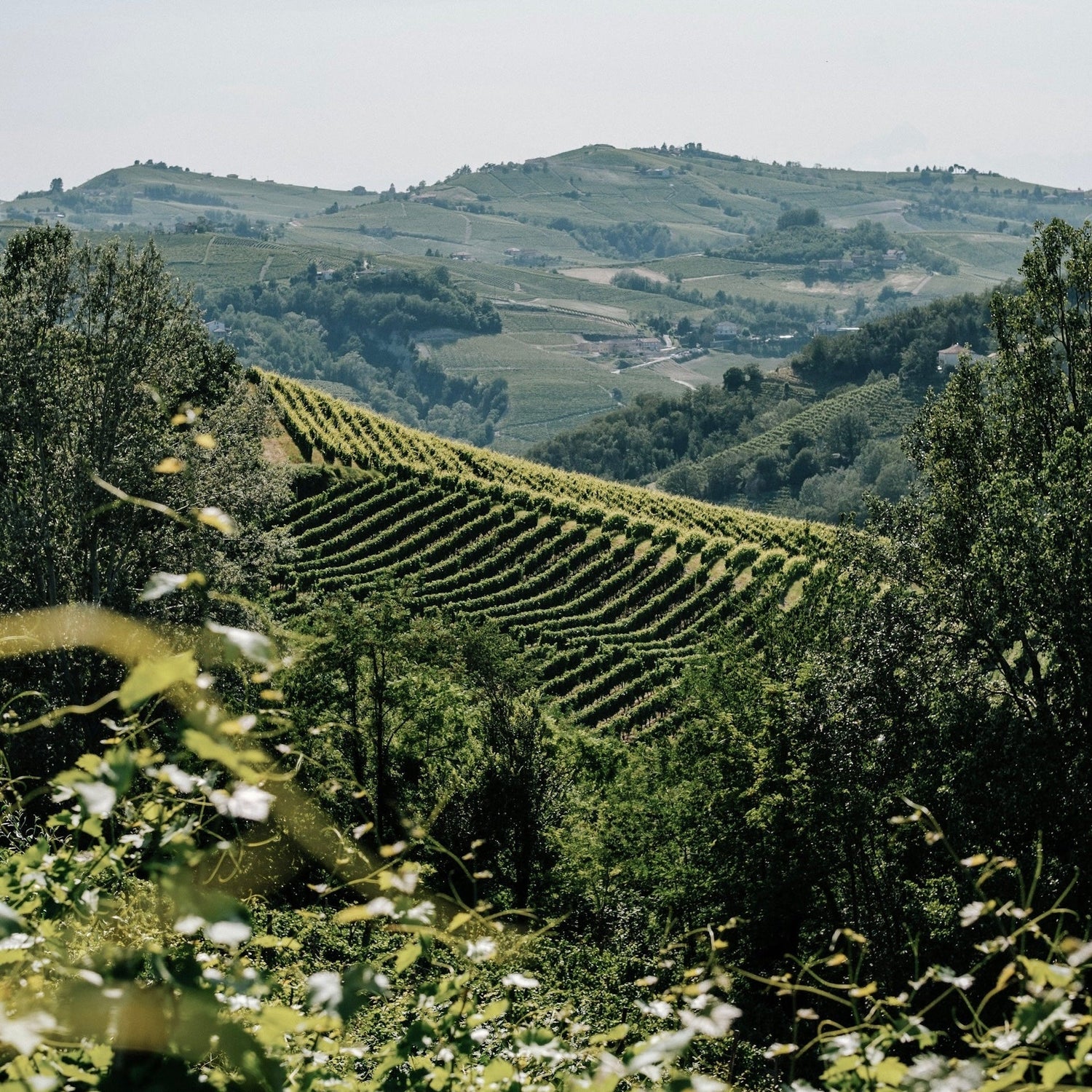
Piedmont is one of Italy's underestimated regions – especially for dog-friendly travel. While many popular destinations are heavily booked during peak season, Piedmont offers significantly more space, tranquility, and structure. These very factors determine whether a trip with a dog will be relaxed or unnecessarily strenuous. In this guide, you won't find superficial recommendations, but concrete guidance: which regions are truly suitable, what to look for in accommodations, and how to plan your vacation effectively.
Table of Contents
- Why Piedmont is ideal for a dog-friendly vacation
- The best dog-friendly regions in Piedmont
- Dog-friendly hotels in Piedmont
- Walks & activities with your dog in Piedmont
- Practical tips (entry, rules, preparation)
- Conclusion: Dog-friendly vacation in Piedmont
- Frequently Asked Questions
Key take-aways
- Less touristy than many regions in Northern Italy → more relaxed for dogs
- Vast landscapes with many walking opportunities
- Good selection of high-quality, dog-friendly accommodations
- Restaurants and wineries usually dog-friendly without complications
- A car is practically indispensable on site
Why Piedmont is ideal for a dog-friendly vacation
A vacation with a dog in Piedmont works so well primarily because several factors come together that directly impact your dog's behavior and well-being. One of the most important points is the comparatively low tourist density. Even in well-known places like Alba or Barolo, the flow of visitors is much better distributed than in classic hotspots like Tuscany. For dogs, this means less noise, less crowding, and overall fewer stressful situations in daily life.
Another crucial advantage is the structure of the landscape. Instead of narrow old towns or crowded promenades, Piedmont is dominated by rolling hills, vineyards, and small villages. This automatically creates better conditions for exercise and retreat. You don't have to constantly adjust your daily routine or avoid crowds; you can start many activities directly from your accommodation.
Furthermore, there is a general acceptance of dogs in everyday life. In many restaurants, it's a normal sight to see a dog lying under the table. Even in hotels or wineries, a dog is rarely treated as a special case. This significantly simplifies planning, but it doesn't replace preparation. It's crucial that your dog is adapted to this quiet, often somewhat upscale environment and behaves accordingly.
The best dog-friendly regions in Piedmont
Langhe – best combination of infrastructure and nature
The Langhe is for many the first and most sensible choice in Piedmont. The region offers a very good balance of nature, infrastructure, and high-quality accommodations. This is a great advantage for travelers with dogs, as many routes can be combined easily. You can start your day with a walk through the vineyards directly from the hotel, stop for lunch at a restaurant, and end the day relaxing in the surroundings.
The paths through the vineyards are often easily accessible and not heavily trafficked. At the same time, you should note that these are almost always agricultural areas. This means, specifically, that you should stay on the paths and be considerate of the environment. Especially during truffle season in autumn, it can also get noticeably busier, which changes the otherwise very peaceful atmosphere a little.
Monferrato – more tranquility, less structure
Monferrato is the right choice if you are consciously looking for a quieter alternative. The landscape appears wider, more pristine, and overall less developed. For many dogs, this is a great advantage because encounters are rarer and walks are much more relaxed.
However, this tranquility comes with less infrastructure. Restaurants, cafes, and even shopping facilities are less densely distributed, and you are more dependent on a car. In return, you often benefit from more space, quieter accommodations, and sometimes more attractive prices compared to the more well-known regions.
Lake Maggiore (Piedmontese side) – a beautiful end to the trip

Lake Maggiore complements the classic hilly landscapes of Piedmont with another perspective. Water, mountains, and promenades add variety to the trip and are particularly suitable for a few days within a longer stay.
The Piedmontese side around Verbania is significantly quieter than many well-known places on the opposite side of the lake. Walks along the shore are quite possible, even if there are only a few official areas where dogs are allowed in the water. However, for short cool-downs, quieter access points can always be found, which are well-suited if you invest some time in searching.
Dog-friendly hotels in Piedmont
The selection of high-quality hotels in Piedmont that accept dogs is larger than many might expect. However, it is crucial to look closely and not just rely on the "dogs allowed" sign. Much more important is the question of how well a hotel is actually prepared for guests with dogs.
| Hotel | Location | Dog Policy | Special Features |
|---|---|---|---|
| Casa di Langa | Langhe | €50 per night, small dogs allowed in the restaurant, bowls and baskets provided by the hotel. | direct location in nature, walks from the hotel |
| Relais San Maurizio | Langhe | €30 per night, not allowed in the breakfast room | large grounds, very quiet |
| Castello di Guarene | Langhe | €30 per night | historic setting |
| Villa Fontana Relais Suite & Spa | Monferrato | Dogs of any size allowed in certain rooms without extra charge. | small boutique structure, walks from the hotel |
| Grand Hotel Majestic | Lake Maggiore | Dogs allowed on request, €60 per night | direct lakefront location |
In practice, it makes a big difference whether a hotel has its own green areas or if you have to drive for every walk. The question of whether dogs are allowed in the restaurant or only in the outdoor area also influences your daily routine more than one initially thinks. It is therefore worthwhile to clarify these points before booking.
Walks & activities with your dog in Piedmont
Piedmont thrives not on spectacular activities, but on an environment that integrates well into daily life with a dog. Walks through the vineyards are the most obvious and at the same time most effective part of the day. The paths are often quiet, easy to walk, and offer enough variety without being overwhelming.
Those seeking more activity can head towards the foothills of the Alps. Here, the terrain becomes more varied and often shadier, which is a clear advantage, especially in warmer months. At the same time, the demands on fitness and sure-footedness increase – for both you and your dog.
At Lake Maggiore, the focus shifts to relaxed lakeside walks. These are particularly suitable for quieter days or as a balance to longer tours in the hinterland. It is important to always carry enough water, as many paths offer no infrastructure and natural water sources are not reliably available.
Restaurants & wineries with dogs: How it works on site
In everyday life, it quickly becomes clear that Piedmont is pragmatic when it comes to dogs. Dogs are allowed in many restaurants as long as they behave quietly and do not disturb the flow. Outdoor areas, which play a big role in the region anyway, are particularly uncomplicated.
Indoor areas can be handled differently depending on the restaurant. While smaller trattorias are often flexible, there may be restrictions in very upscale or crowded restaurants. In such cases, it makes sense to reserve in advance and announce the dog directly.
Wineries are generally the most relaxed option. They offer more space, a quieter atmosphere, and are usually designed for guests to spend a longer time on site. This structure fits well with traveling with a dog, as it requires fewer interruptions and adjustments.
Piedmont road trip planning with a dog
A road trip is the most sensible way to discover Piedmont. The distances between the regions are manageable, and at the same time, the landscape and atmosphere differ enough to create variety.
A proven structure for about a week begins with two to three days in the Langhe. Here you will find the best introduction, as infrastructure and landscape are well balanced. Afterwards, a change to Monferrato is recommended to consciously experience more peace and expansiveness. The trip can conclude with Lake Maggiore, which brings another character to the journey with its water and mountain scenery.
This combination ensures that the trip doesn't become monotonous without creating unnecessarily long driving times. At the same time, it leaves enough room for breaks, which are crucial especially with a dog.
Practical tips (entry, rules, preparation)
Entry to Italy for dogs from Germany is uncomplicated, provided the basic requirements are met. These include an EU pet passport, a valid rabies vaccination, and a microchip. These points should, of course, be checked before departure.
On site, a leash requirement applies in many areas, especially in cities or busier areas. In more rural regions, this is often handled more loosely, but it is still sensible to assess the situation individually and show consideration for the surroundings and other animals.
A frequently underestimated factor is the climate. Especially in summer, it can get very hot in the vineyards, while at the same time there is hardly any shade. Walks should therefore be moved to the early morning or evening hours. In addition, good tick protection and sufficient water are essential for a relaxed stay.
Conclusion: Dog-friendly vacation in Piedmont
Piedmont is one of the most harmonious regions in Italy for a dog-friendly vacation if you value tranquility, structure, and a well-plannable environment. The combination of expansive landscapes, solid infrastructure, and a relaxed attitude towards dogs creates conditions that are rare in this form.
Those who can consciously forgo overcrowded destinations and instead seek a clear, quiet trip will find very good conditions in Piedmont.